Not sure which chemical peel suits your skin? Compare the main peel types, see what recovery really looks like, and learn what a peel costs in the UK before you book.
Few treatments get searched as often as the chemical peel, and few cause as many worries. Will your skin peel for a week? Will it make pigmentation worse? What should it cost? This guide explains the main chemical peel types, what downtime to expect, and how pricing works in the UK, so you can decide with clear facts.
What Is a Chemical Peel?
A chemical peel applies a controlled acid solution to your skin. The acid loosens the outer layers, and your skin sheds them over the following days. As a result, new skin appears smoother, clearer and more even. Different acids work at different depths, so the right peel depends on your concern, your skin type and how much recovery time you can accept.
Chemical Peel Types: Which One Suits Your Skin?
Peels fall into light, medium and deeper groups. At our Aldershot clinic, we match the peel to your skin rather than offering one standard protocol:
- Meso Glow Peel: a light resurfacing peel for dullness and uneven texture.
- Salicylic Acid Peel: a deep-cleansing option for congested, oily or blemish-prone skin.
- Blemiderm Acne Peel: a targeted peel for acne-prone skin.
- Azelaic Acid Peel: a gentle choice for uneven tone and redness.
- Tranexamic Peel: designed for hormonal pigmentation and melasma-type concerns.
- Cosmelan Depigmentation: our most advanced pigmentation protocol, with a two-phase approach for stubborn melasma and sun damage.
Lactic and glycolic peels also appear on many UK clinic menus. We choose the formula at your consultation after assessing your skin.
Chemical Peel Downtime: What to Expect
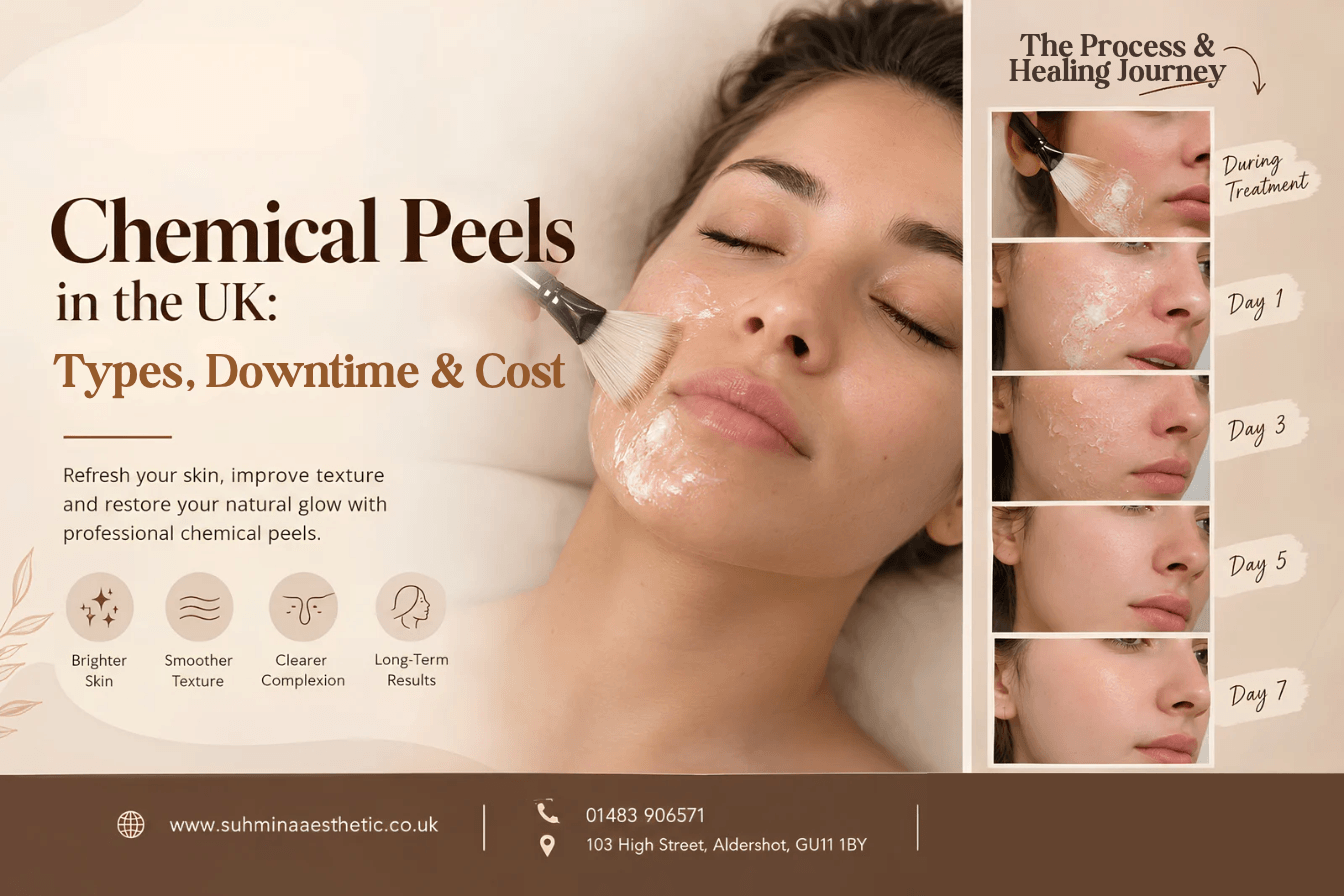
Downtime depends on strength. Every skin heals differently, but most people follow a pattern like this:
- Light peels: mild pinkness and tightness for a day or two, then light flaking for around two to five days.
- Medium-strength peels: visible redness and noticeable peeling that often lasts around a week.
- Cosmelan: redness, dryness and obvious peeling that can last longer, so plan your diary accordingly.
Peeling is the expected result, not a sign that something went wrong. However, never pick or pull flaking skin. Picking raises the risk of marks and irritation.
Chemical Peel Cost in the UK
UK prices vary widely. Listings range from roughly £35 for basic light peels to £999 or more for advanced pigmentation protocols, so always compare like for like. At Suhmina, our prices are:
- From £149: Meso Glow, Salicylic Acid, Azelaic Acid and Tranexamic peels
- £249: Blemiderm Acne Peel
- £999: Cosmelan Depigmentation
Several factors affect cost, including peel strength, your concern, the number of sessions and the aftercare products you need. We confirm a realistic plan at your consultation, before you commit.
Risks and Results: An Honest View
Peels work well when chosen carefully. Still, they are not a cure-all. They will not remove deep scars, and results build over a course for stubborn concerns. Pigmentation can also rebound if you skip sun protection, particularly on darker skin tones. Because of this, we assess your skin type, history and recent sun exposure before every peel. Tell us if you are pregnant, breastfeeding, prone to cold sores, living with rosacea, or using strong skincare actives.
How to Protect Your Results
- Wear SPF daily. This matters more than any product you buy.
- Moisturise gently. Use the barrier-supporting products we recommend.
- Avoid heat and harsh actives. Skip saunas, scrubs and strong acids while you heal.
- Follow your aftercare plan. You leave every session with written guidance.
Chemical Peel FAQs
Q. How much does a chemical peel cost in the UK?
Ans. Prices range from around £35 to £999 or more, depending on strength and clinic. At Suhmina, peels start from £149.
Q. How long does a chemical peel take to heal?
Ans. Light peels usually settle within a few days, while stronger peels can take a week or longer.
Q. What does my face look like three days after a peel?
Ans. Expect tightness, dryness and the start of flaking. Redness is common, and peeling often builds around days three to five.
Q. Does a chemical peel hurt?
Ans. Most people feel warmth, tingling or mild stinging that passes quickly. Stronger protocols feel more intense.
Q. How often can I have a chemical peel?
Ans. Milder peels can be repeated regularly. Stronger protocols need longer gaps, and we confirm timing at your consultation.
Q. Are chemical peels safe for darker skin?
Ans. They can be, with the right peel and preparation. However, darker skin carries a higher risk of pigmentation rebound, so a careful assessment matters.
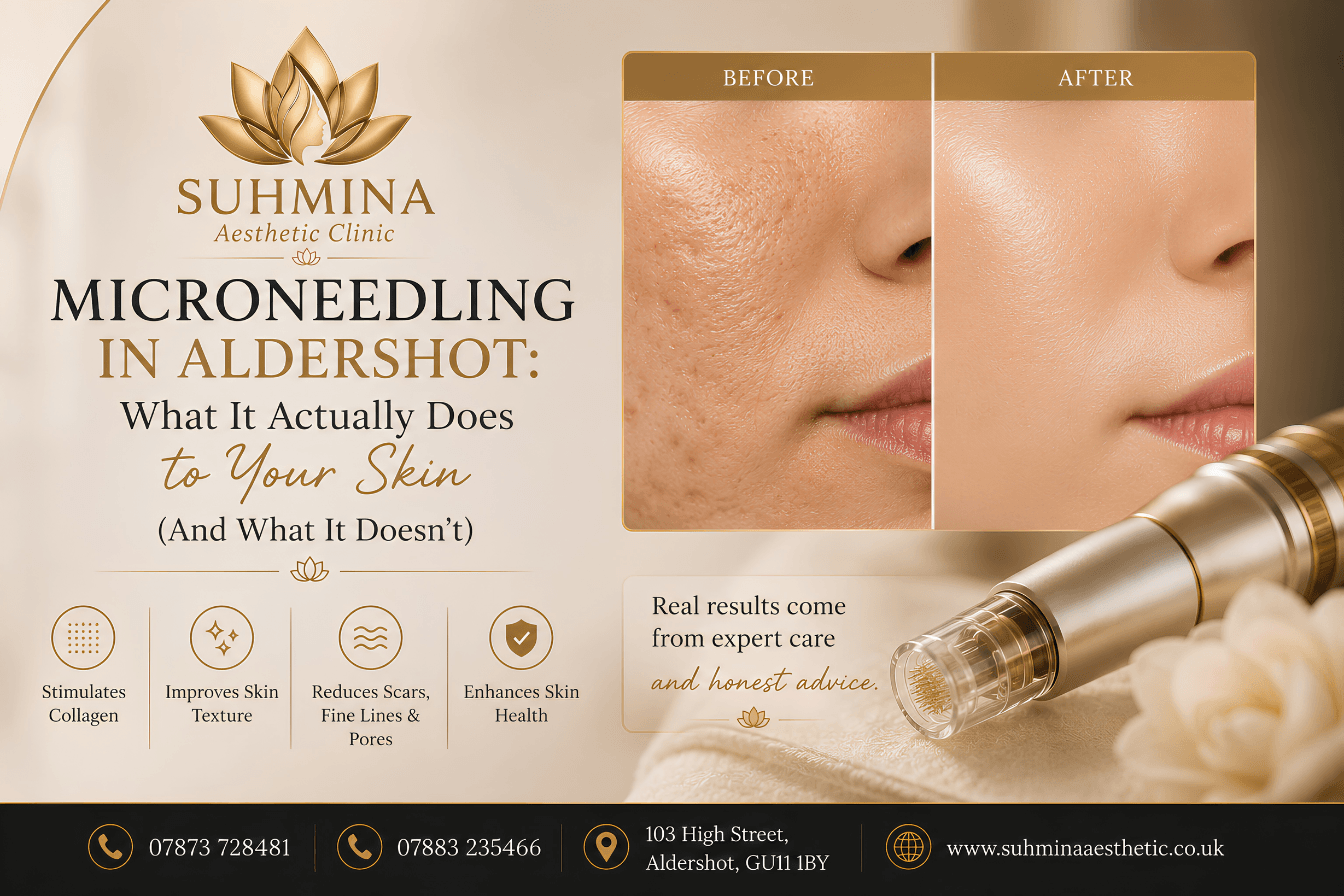
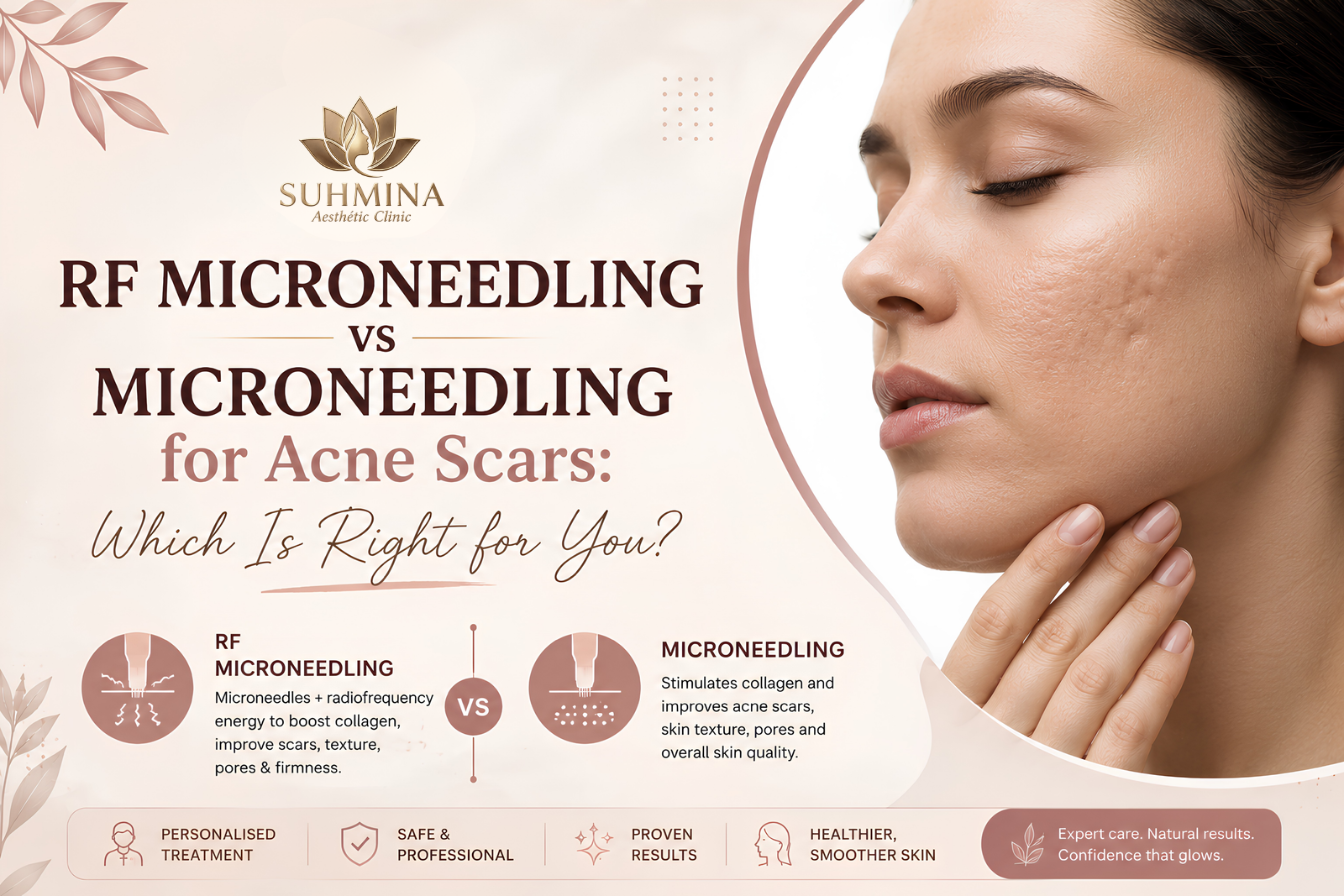
Q. What is the difference between a chemical peel and microneedling?
Ans. A peel uses acids to resurface the top layers, while microneedling uses fine needles to stimulate collagen. They target different concerns.
Conclusion
The right chemical peel depends on your skin, your concern and your calendar. Explore our chemical peel treatments, read about Cosmelan depigmentation, or see our pigmentation and acne treatments. You can also compare with microneedling and check current prices. Your free consultation is secured with a £20 deposit, fully refundable on request.
Ready to Book Your Consultation?
Schedule a personalized consultation with our experts and discover the best treatment plan for your unique skin goals.