Dermal fillers are one of the most popular aesthetic treatments in the UK — and one of the most variable in outcome. Here are seven things your practitioner should tell you before you book, but often doesn't.
Dermal fillers have been mainstream for long enough that most people have a basic idea of what they are. What's less commonly discussed — at least before the appointment — is the nuance. The things that separate a result you'll love from one you'll regret. The things that affect your safety. The things that determine whether your filler looks natural or obvious.
Here are seven things we think every patient should know before booking a filler appointment.
1. The Practitioner Matters More Than the Product
Almost every reputable filler brand uses hyaluronic acid as its base. The differences between brands are relatively minor compared to the difference that practitioner skill and clinical judgement make to the outcome. An experienced practitioner using a mid-range product will consistently outperform a novice using a premium one. When you're choosing where to have fillers, spend more time researching the practitioner than the product.
2. In the UK, Fillers Are a Prescription Treatment
Since October 2023, dermal fillers containing hyaluronic acid can only legally be administered following a prescription issued by a qualified prescriber. This means that any clinic offering fillers without a prescriber involved in your care is operating illegally.
This regulation exists for patient safety. Fillers carry genuine risks when placed incorrectly, including vascular occlusion (blockage of a blood vessel), which can have serious consequences. Check that your clinic has a prescriber, and don't hesitate to ask.
3. "Dissolving" Fillers Is Not Always Simple
Hyaluronic acid fillers can be dissolved using an enzyme called hyaluronidase if you're unhappy with the result or experience a complication. This is genuinely reassuring — but it's not always the straightforward fix it's sometimes presented as. Dissolving can require multiple sessions, and the enzyme doesn't always act uniformly. In the case of vascular complications, it needs to be administered by someone with the clinical knowledge to recognise the problem and act quickly. This is another reason why choosing a clinically trained, medically qualified practitioner matters.
4. Results Vary Significantly Between Individuals
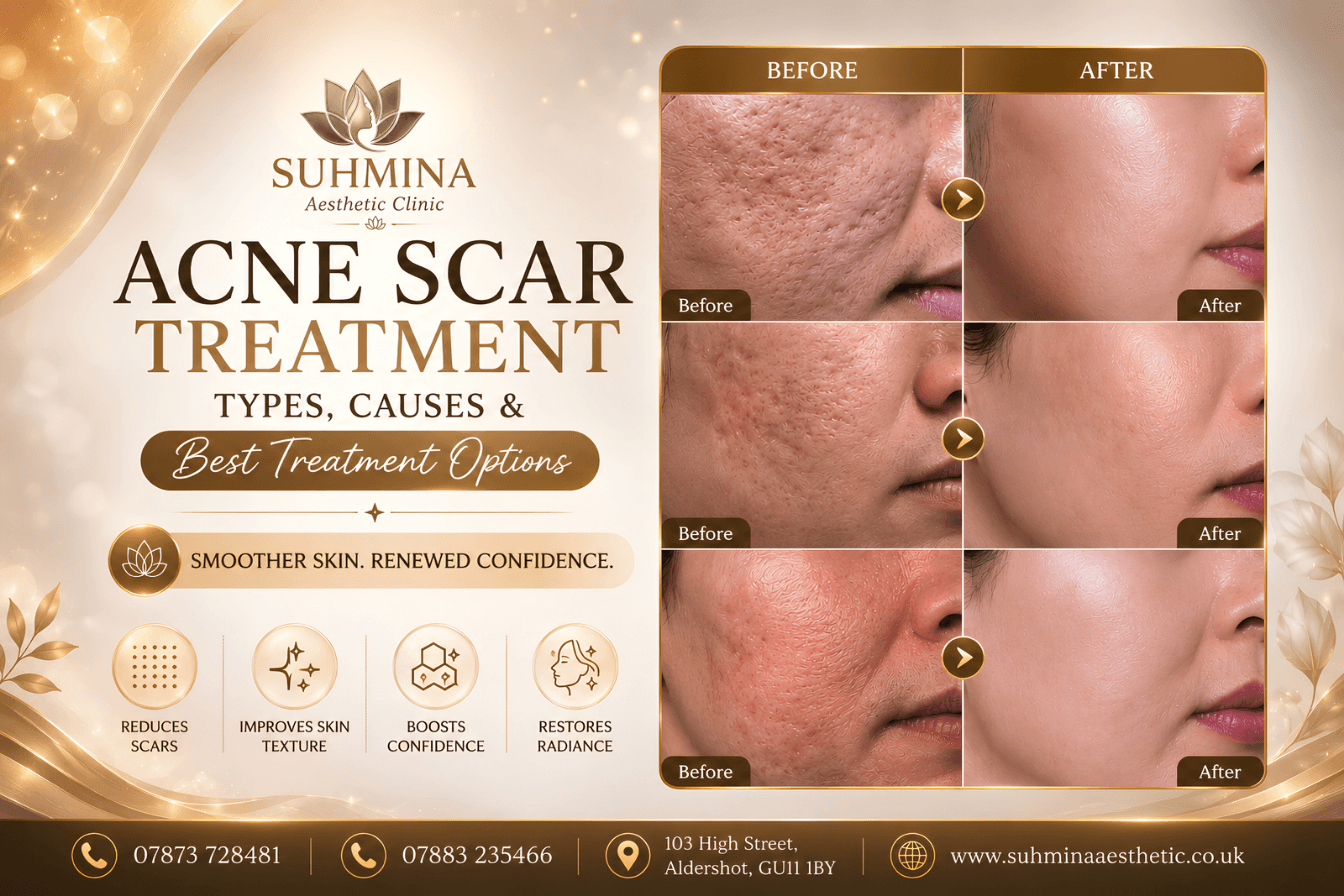
The before-and-after photos you see online are the results that practitioners choose to share — which naturally reflects their best outcomes. Your result will depend on your anatomy, the degree of volume loss you started with, how your tissues respond to the product, and the treatment plan your practitioner creates for you specifically. An honest practitioner will show you a range of outcomes and set realistic expectations for what's achievable in your case.
5. Longevity Is More Variable Than Marketing Suggests
Filler brands typically quote results lasting 12 to 18 months. In practice, this varies considerably. Metabolism, treatment area, the amount of product used, and how your individual tissues respond all affect how long your results last. Some patients find their filler lasts 18 months or more; others find it metabolises within 6 to 9 months. Until you've had a treatment, it's difficult to predict which category you'll fall into.
6. Aftercare Matters
The first 24 to 48 hours after filler treatment involve some swelling and sometimes bruising — both of which are normal and usually temporary. What you do in this period matters. Avoiding vigorous exercise, alcohol, and extreme heat (including saunas and hot baths) reduces the risk of bruising and helps the filler settle properly. We provide detailed aftercare instructions at every appointment — and we're always available by phone if you have concerns in the days following treatment.
7. Less Is Almost Always More
The most common cause of filler results that look unnatural is too much product, placed too quickly, without adequate time to assess the cumulative result. Conservative treatment — starting with less than you think you need and assessing the result before adding more — consistently produces better outcomes than treating aggressively in a single session.
At Suhmina Aesthetic Clinic, we always err on the side of less. It's far easier to add more at a review appointment than to dissolve an overcorrection.
If you're considering dermal fillers and would like an honest conversation about what's right for you, book a consultation at our Aldershot clinic here.
Ready to Book Your Consultation?
Schedule a personalized consultation with our experts and discover the best treatment plan for your unique skin goals.