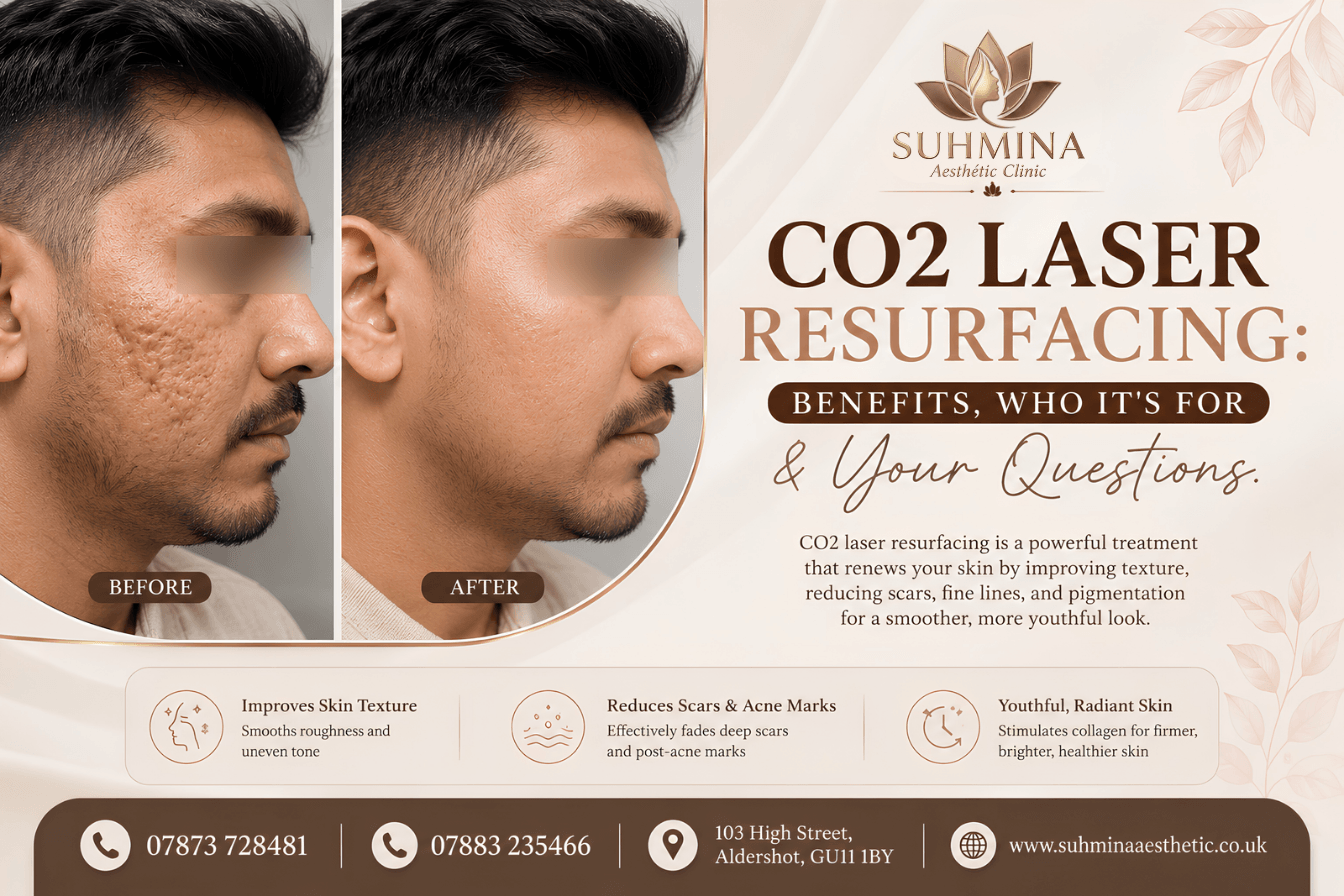
CO2 laser resurfacing remains one of the most effective treatments for scarring, wrinkles, and uneven texture. Here's what it actually does and who genuinely benefits.
Few treatments in aesthetic medicine have stood the test of time quite like CO2 laser resurfacing. While countless new devices and quick-fix serums come and go, this ablative laser technology has remained a trusted option for genuinely transforming skin texture, tone, and firmness. But CO2 laser resurfacing isn't the right choice for everyone, and understanding exactly who benefits — and why — matters far more than chasing the latest trend. This guide breaks down the real benefits of CO2 laser resurfacing and helps you work out whether it's genuinely suited to your skin.
What Is CO2 Laser Resurfacing?
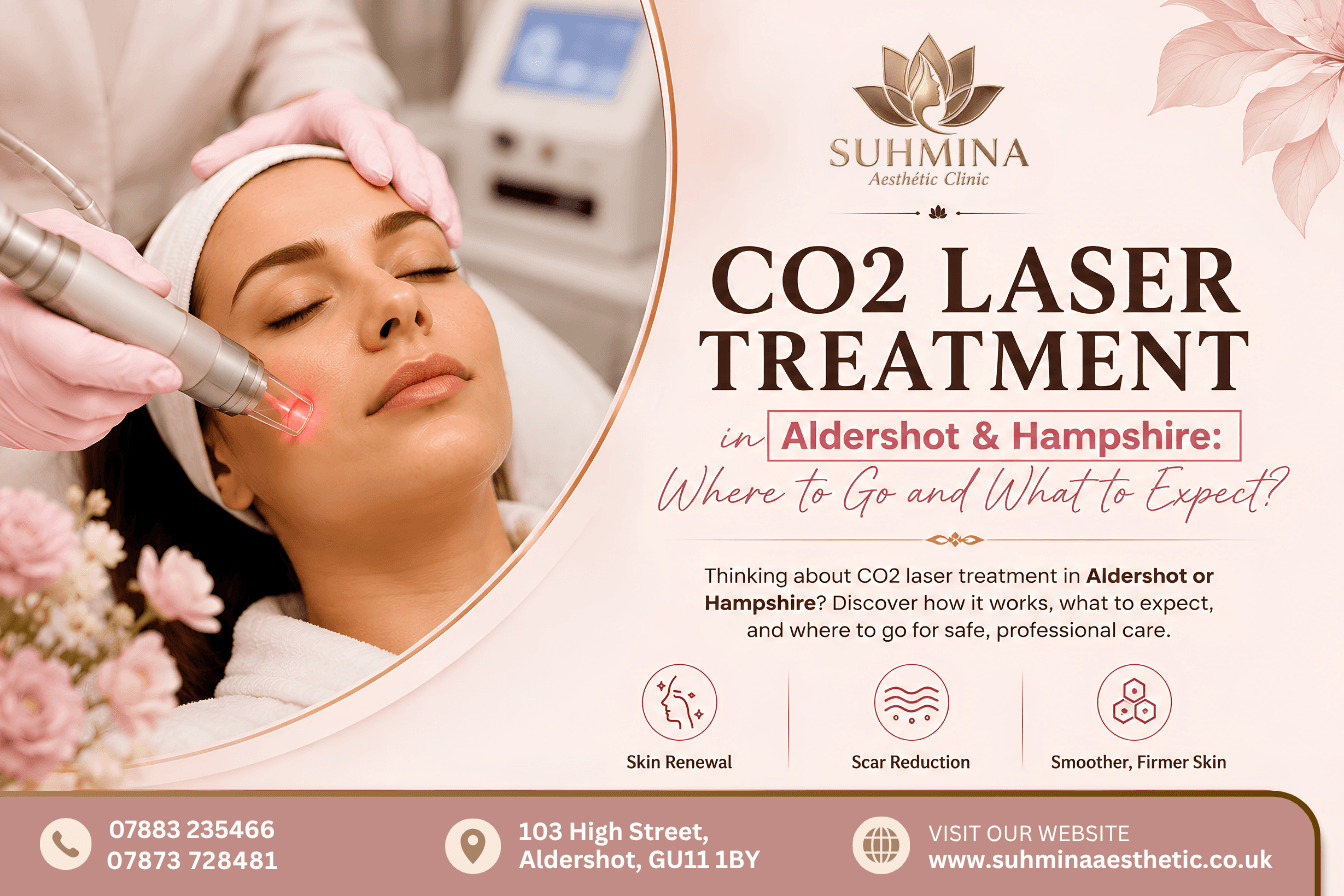
CO2 laser resurfacing is an ablative treatment that uses focused laser energy to remove thin, damaged layers of skin while heating the tissue beneath. This dual action clears surface imperfections and triggers your skin's natural healing response, stimulating new collagen and elastin production over the following months. Modern fractional CO2 devices treat the skin in microscopic columns rather than across the entire surface, which means faster healing and a considerably lower risk profile than older, fully ablative technology.
6 Powerful Benefits of CO2 Laser Resurfacing
- Meaningfully improves acne and surgical scarring — by stimulating deep collagen remodelling rather than simply exfoliating the surface
- Softens fine lines and wrinkles — particularly around the eyes and mouth, where skin thins fastest
- Evens out skin tone and texture — addressing sun damage, roughness, and enlarged pores in a single treatment
- Delivers results that continue developing — collagen production carries on stimulating improvement for three to six months after treatment
- Often requires fewer sessions — many patients see meaningful change from a single fractional CO2 session, unlike gentler lasers that require repeated visits
- Treats multiple concerns at once — scarring, texture, and fine lines can all be addressed in the same session, rather than requiring separate treatments
Who Is CO2 Laser Resurfacing For?
CO2 laser resurfacing tends to suit patients dealing with:
- Acne scarring, particularly atrophic (depressed) scars
- Fully healed surgical or traumatic scars
- Fine lines and wrinkles from sun damage or natural ageing
- Uneven skin texture, enlarged pores, or rough, dull-looking skin
Patients who are motivated to follow proper aftercare — including strict sun avoidance during healing — tend to see the best, longest-lasting improvement, since the treatment's effectiveness depends heavily on how well the skin is protected while it recovers.
Who Should Think Twice?
CO2 laser resurfacing isn't suitable for everyone. It's generally not recommended for patients who are pregnant, have active skin infections, or have very dark skin tones (Fitzpatrick V–VI), who face a higher risk of post-treatment pigmentation changes. Patients in this category are often better suited to alternatives such as Pico Laser or a Cosmelan peel, which carry a lower pigmentation risk. A proper, clinically-led consultation is the only reliable way to determine genuine suitability — never a price list alone.
What to Expect During Recovery
Because CO2 laser resurfacing is ablative, downtime is a real consideration. Most patients experience redness and swelling similar to sunburn for three to five days, followed by peeling for up to a week. Full outer healing generally takes seven to ten days, and strict sun protection is essential for at least six weeks afterward. Understanding this upfront helps you plan around the treatment rather than being caught off guard by it.
Q. What are the main benefits of CO2 laser resurfacing?
Ans. CO2 laser resurfacing improves acne and surgical scarring, softens fine lines and wrinkles, evens out skin tone and texture, and often achieves meaningful results in fewer sessions than gentler laser treatments.
Q. Who is a good candidate for CO2 laser resurfacing?
Ans. Good candidates typically have acne scarring, fully healed surgical scars, fine lines, or uneven skin texture, and are prepared to follow strict aftercare, including sun avoidance during healing.
Q. Is CO2 laser resurfacing suitable for all skin tones?
Ans. Not always. Patients with darker skin tones (Fitzpatrick V–VI) face a higher risk of pigmentation changes and may be better suited to alternatives like Pico Laser. A consultation determines individual suitability.
Q. How long do the benefits of CO2 laser resurfacing last?
Ans. Results are long-lasting rather than permanent. Collagen production continues improving skin for three to six months post-treatment, and ongoing sun protection helps maintain results over time.
Find Out If CO2 Laser Resurfacing Is Right for You
CO2 laser resurfacing remains one of the most effective options for scarring, texture, and visible signs of ageing — but only when the right candidate is matched with the right treatment plan. If you're in Aldershot, Farnborough, Fleet, Farnham, Camberley, Ash Vale, Alton, Hook, Woking, Basingstoke, Winchester, or Andover and considering this treatment, a proper consultation is the place to start.
Book a consultation with Suhmina Aesthetic Clinic to discuss whether CO2 laser resurfacing suits your skin, view our scar treatment options, see our full price list, meet the team, or read more on our Journal.
Ready to Book Your Consultation?
Schedule a personalized consultation with our experts and discover the best treatment plan for your unique skin goals.